منتورع العسكري منصة متخصصة في التحليل العسكري والأمني… رؤية دقيقة، معلومات موثوقة، وتغطية شاملة للقوات المسلحة حول العالم.
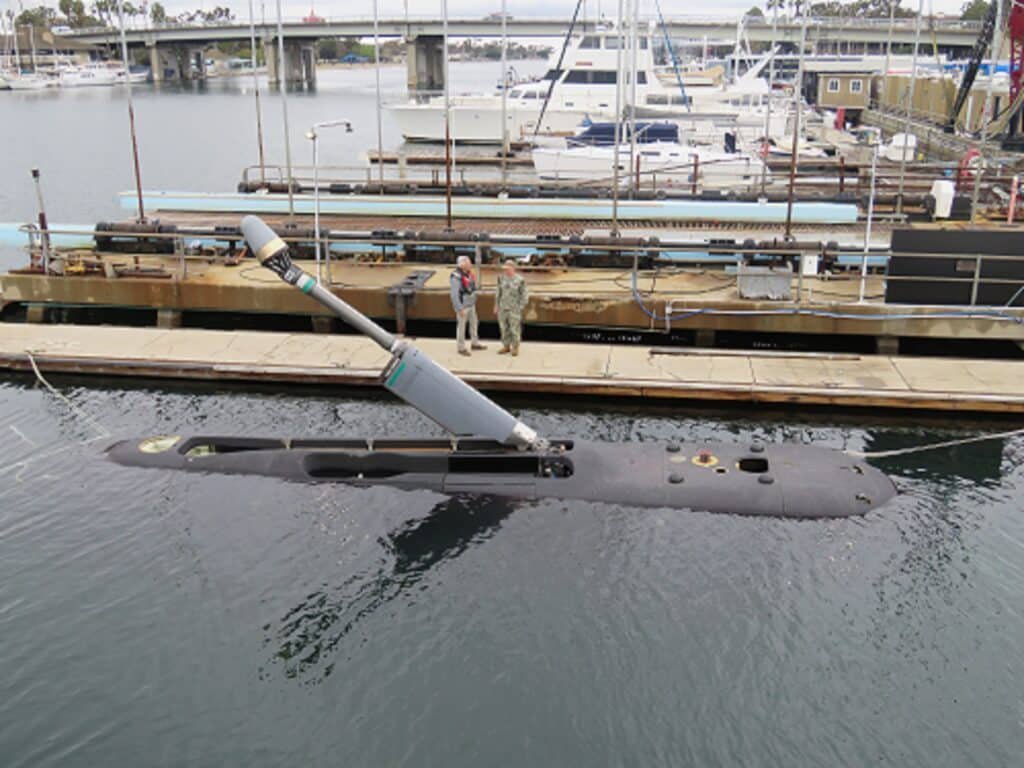
Revealed in a LinkedIn post by Christine Clark, Boeing’s Supplier Program Manager, the second Orca Extra Large Uncrewed Undersea Vehicle (XLUUV) dubbed the XLE2 has been commissioned.
Orca is a one of a kind capability within the United States, being the first vessel to have both the size and autonomy present to complete it’s designated mission set. The XLUUV is slated to be able to carry out a number of tasks including Intelligence, Surveillance, and Reconnaissance (ISR), mine warfare, sea bed warfare, and expeditionary support.
Orca’s physical dimensions entail an 85 ton displacement, 85 foot (26 meter) length, and an endurance of 6,500 nautical miles supported by hybrid electric power plant. Out of Orca’s 85 foot length, the extremely sizeable mission bay occupies just over 33 feet (10 meters) and can support various payloads with a weight of up to 8 tons.
Weighing on Orca’s autonomous nature and extreme range, the vessels can be launched and recovered from pier-side without the support of a dedicated second, manned ship. The vessel promises to enhance the reach and tempo of U.S. undersea and especially sea bed relative operations with a reduced cost on logistics, with each vessel operated by one of the Navy’s Unmanned Undersea Squadrons (UUVRON).
XLE2’s delivery marks the third delivery of a vessel in the Orca program, following Boeing’s delivery of both a single, smaller dedicated testing vessel, and one other full-size Orca, designated XLE0 and XLE1 respectively. Orca’s family of vessels follow Boeing’s development work on the Echo-Voyager XLUUV, a proof of concept completed and tested prior to the competition for the $247 million Orca contract.
Delays in the Program
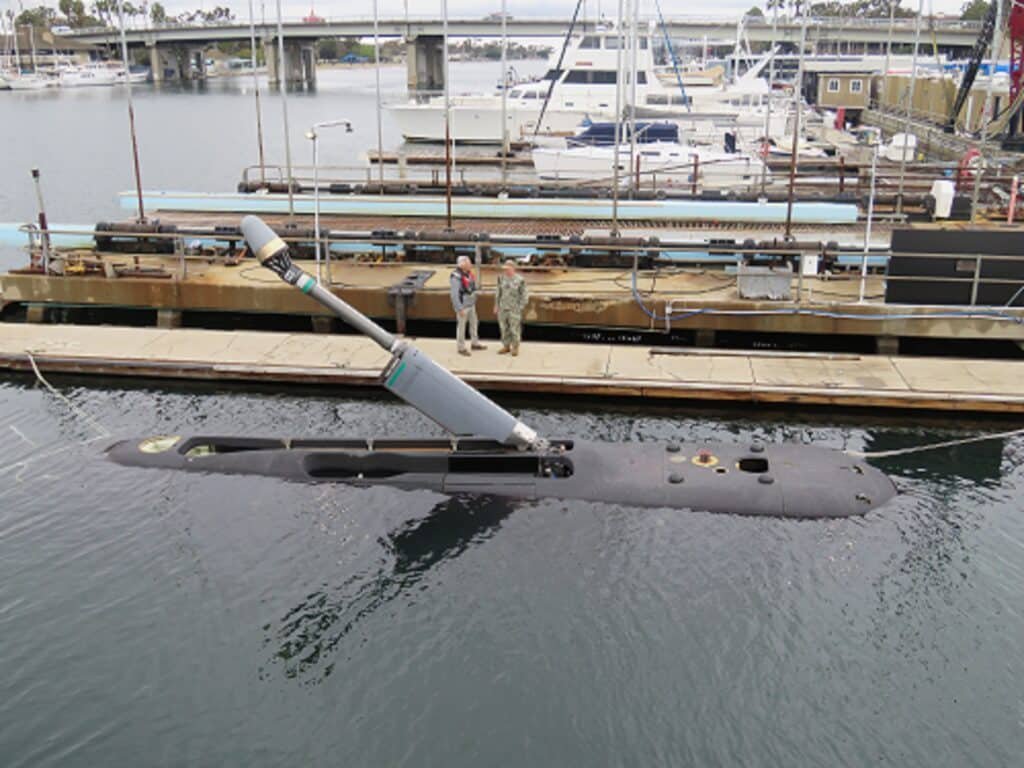
Amidst the XLE2’s commissioning, it is worth noting the significant gap in delivery time between XLE2, XLE1, and XLE0, with a gap of one and half to two years between the first and second vessel (2023-2024/5), and a one year gap between the second and third vessel (2025-2026).
This discrepancy in delivery timelines is a stark departure from that provided in the initial contract issued in 2019 for the construction and delivery of 4 plus 1 (added a month later) vessels by the end of 2022, a date which has been lapsed by ongoing delays in the program. Orca’s construction scheduling also placed the delivery of the rest of the XLUUVs within a single year following the completion of the first unmanned-sub, a goal stated as late as 2024 which has not materialized.
Following deliveries are now along an unknown timeline, although the gap in delivery times between each hull is already decreasing to some extent. The future of the program could prove to be in a precarious position given the Pentagon’s increased emphasis on reduced delivery times, the elimination of delays, and scrutiny regarding corporations in the defense sector.
المصدر: اضغط هنا
[ad_2]